A Centralized Marketplace and Toolkit for Fiber Artists
ROLES
Ideation
Contextual research
Design
COLLABORATORS
(3 Designers)
Affan Ashraf, Kareena Patel
& Mustafa Arshad
CONTEXT
I'm an avid crocheter, and I'd watch friends give up before they even started.
The onboarding into crafting is rough, with multiple platforms, no clear starting point, and the gap between finding inspiration and knowing what to buy is wider than it should be.
I pitched LoopyLoop to my classmates as a fix: a centralized hub where crafters could buy, sell, and go from inspiration to a ready-to-go materials list without the friction in between.
PROBLEM
No single platform takes a crafter from inspiration to materials to making.
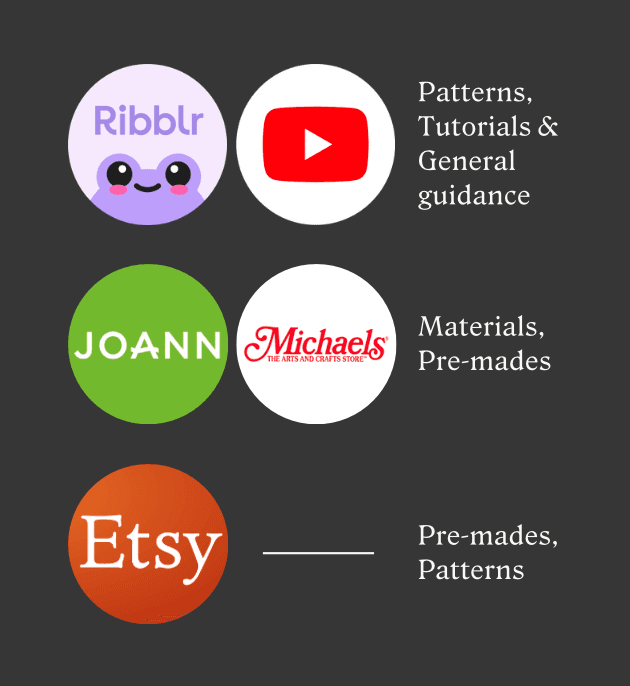
Etsy handles finished goods. Retailers handle supplies.
Pinterest handles inspiration, but stops there. The result is constant context-switching, and momentum lost before a project begins.
IN THE FIELD
We visited JOANN and Michaels to check if the fragmentation was actually frustrating, or just part of the process.
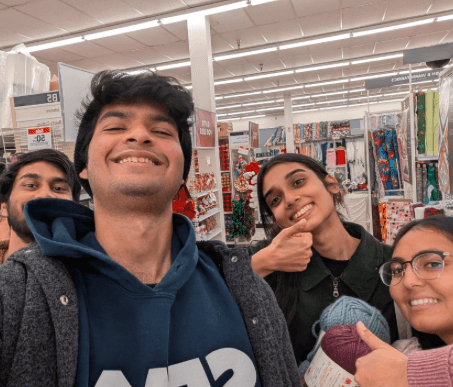

Shoppers wandered the aisles, holding their phones up, struggling to match a photo to the real materials. Interviews with employees revealed that they often filled the gap as impromptu consultants. But, not all had the craft knowledge to help, and stores rarely stocked exactly what customers were looking for.
WORKSHOP
We ran a participatory workshop with a simple probe - here's a sweater, show us how you'd make it.
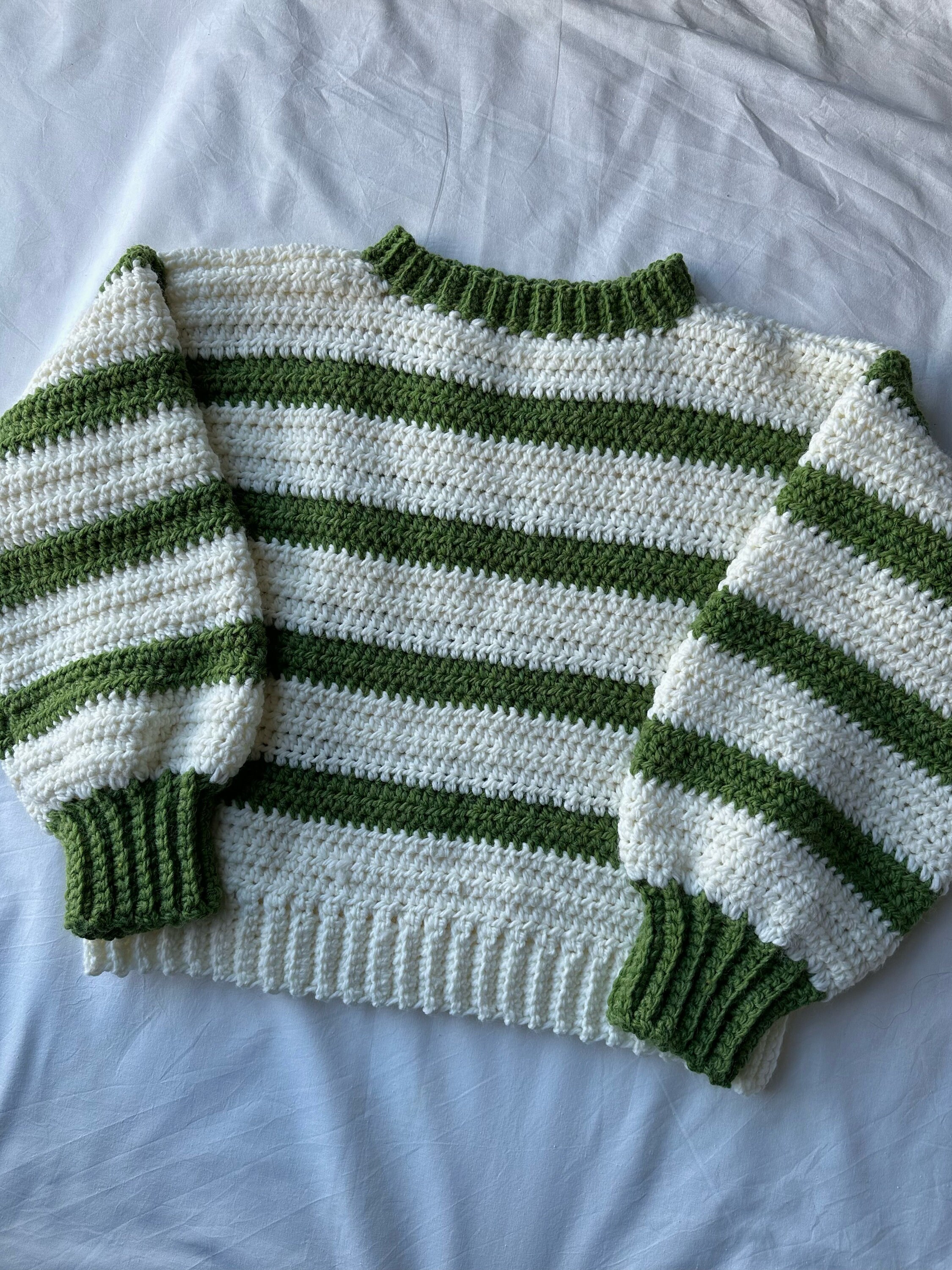
Our store visits and interviews had already confirmed that the frustration was real, but they couldn't tell us exactly where in the process people got stuck. The workshop helped us better understand the journey.
One participant got stuck at step one, describing just how specific her material searches really are. Another mapped the whole process but had no way to document or sell it.
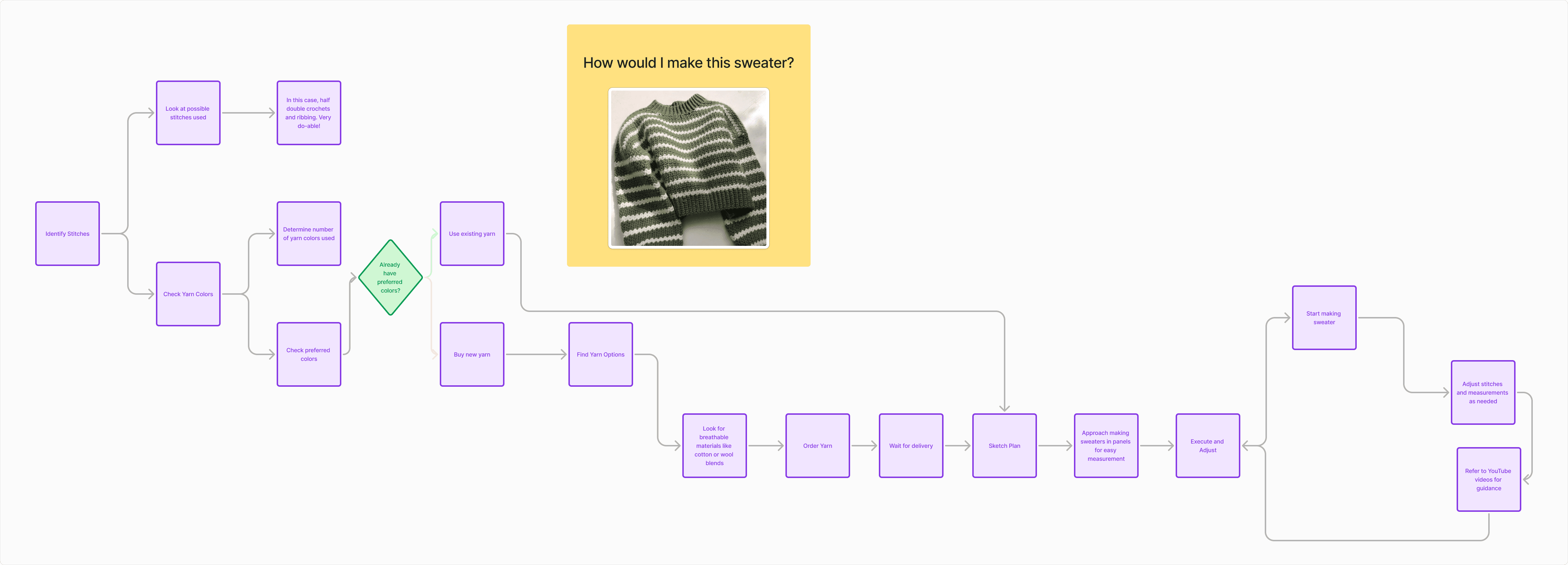
We analyzed all the data we collected through our participants' workflows to identify where to intervene before moving into feature design. The rest of this case study will highlight two pain points that inform two standout features.
SOLUTIONS
We designed two tools to address both ends of the problem.
The Material Identifier lets users upload an inspiration photo, enter project specs, and get a materials list with direct purchase links — on the platform and as a browser extension.
The Pattern Writing Tool uses a slash-command menu to insert complex stitch terms in a single click.
ITERATIONS
Think-aloud sessions made the friction hard to miss.
Nowhere to save results:
Users loved the Material Identifier but had no way to hold onto what it generated. We added a Download CSV option to the extension.
A blank page problem:
The Pattern Writer left people unsure where to start. A Help toggle and clearer onboarding made the shortcuts intuitive from the first use.
REFLECTIONS
Utility vs. delight
The hardest balance was knowing what not to automate. We didn't want to design the joy out of crafting — only the frustration out of it.
In hindsight…
Shortly after we wrapped, JOANN Fabrics shut down all its outlets — which confirmed the problem space was real. As fast fashion crowds out physical craft stores, the spaces that encourage creativity and making by hand are disappearing.
If i revisited this project again
I'd look to modernize existing platforms like Ravelry rather than build from scratch. The communities are already there.